Experiential Retail Innovation: Cross-Channel Brand Campaign & Immersive Space Design
A data-driven brand repositioning strategy and regional GTM campaign integrating sensory retail design with a lightweight, performance-optimized Web3 immersive sandbox.
The Circular Luxury Paradigm
The Sustainable Luxury Challenge
Stella McCartney has historically championed circular fashion, integrating animal welfare and zero-leather policies directly into high-end ready-to-wear. However, the brand faces a crucial communication gap: while its physical collections feature revolutionary materials like mushroom-derived Mycelium and grape waste leather, digital consumers are often met with standard, text-heavy catalog interfaces. This disconnect flattens the rich, sensory narrative of sustainable luxury, failing to justify the brand's premium pricing.
Strategic SWOT Analysis: Stella McCartney Stand-Alone Position
Pioneering vegan status (0% leather, skins, or furs) since day one. Unrivaled sustainable brand authenticity that perfectly matches Gen Z eco-priorities.
High bio-material R&D costs causing supply chain margin compression. Premium retail pricing restricts entry for younger cohorts.
Using immersive Web3 spaces to tell stories and justify the "Green Premium" price. Co-branding campaigns and smart-wear technology partnerships.
Widespread industry greenwashing diluting authentic environmental metrics. Fast-luxury houses producing basic low-cost organic alternatives.
How can Stella McCartney bridge its radical material stories with digital retail, without losing the luxury prestige required to attract high-net-worth Gen Z consumers?
Positioning Map & Brand Matrix
To evaluate Stella McCartney's market positioning, we mapped key competitors against two primary dimensions: Price Point and Sustainability Focus. Brands like Vivienne Westwood represent radical self-expression with moderate sustainability initiatives, while Reformation captures mass premium eco-conscious consumers at a lower price point.
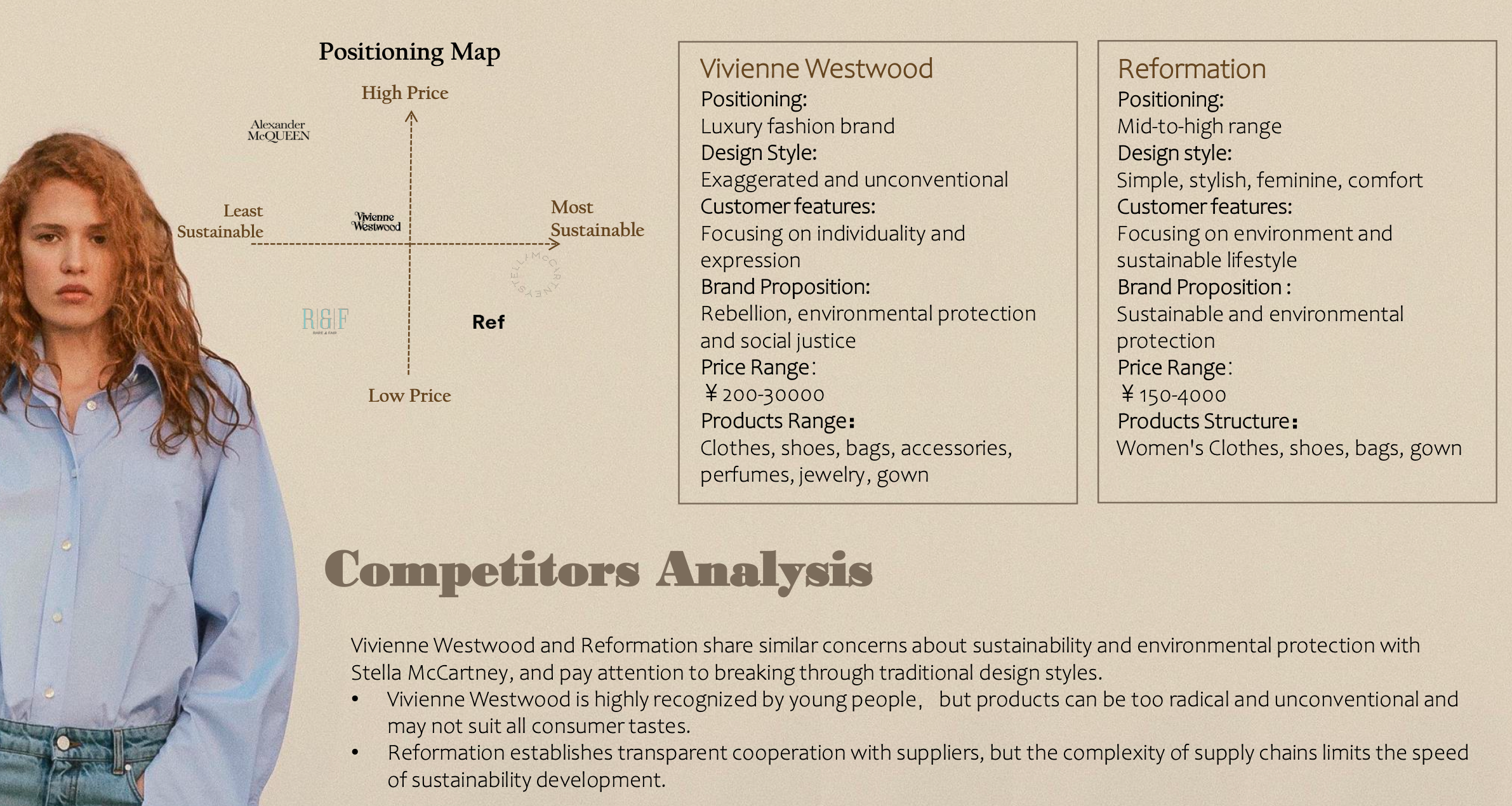
While Vivienne Westwood enjoys strong resonance with counterculture youth, its highly unconventional designs can alienate average luxury consumers. Stella McCartney occupies the ultimate sweet spot: high-luxury prestige coupled with unmatched, verifiable circular integrity.
Guangzhou Dongshan Kou Proposal
Navigating the Offline Retail Gap in South China
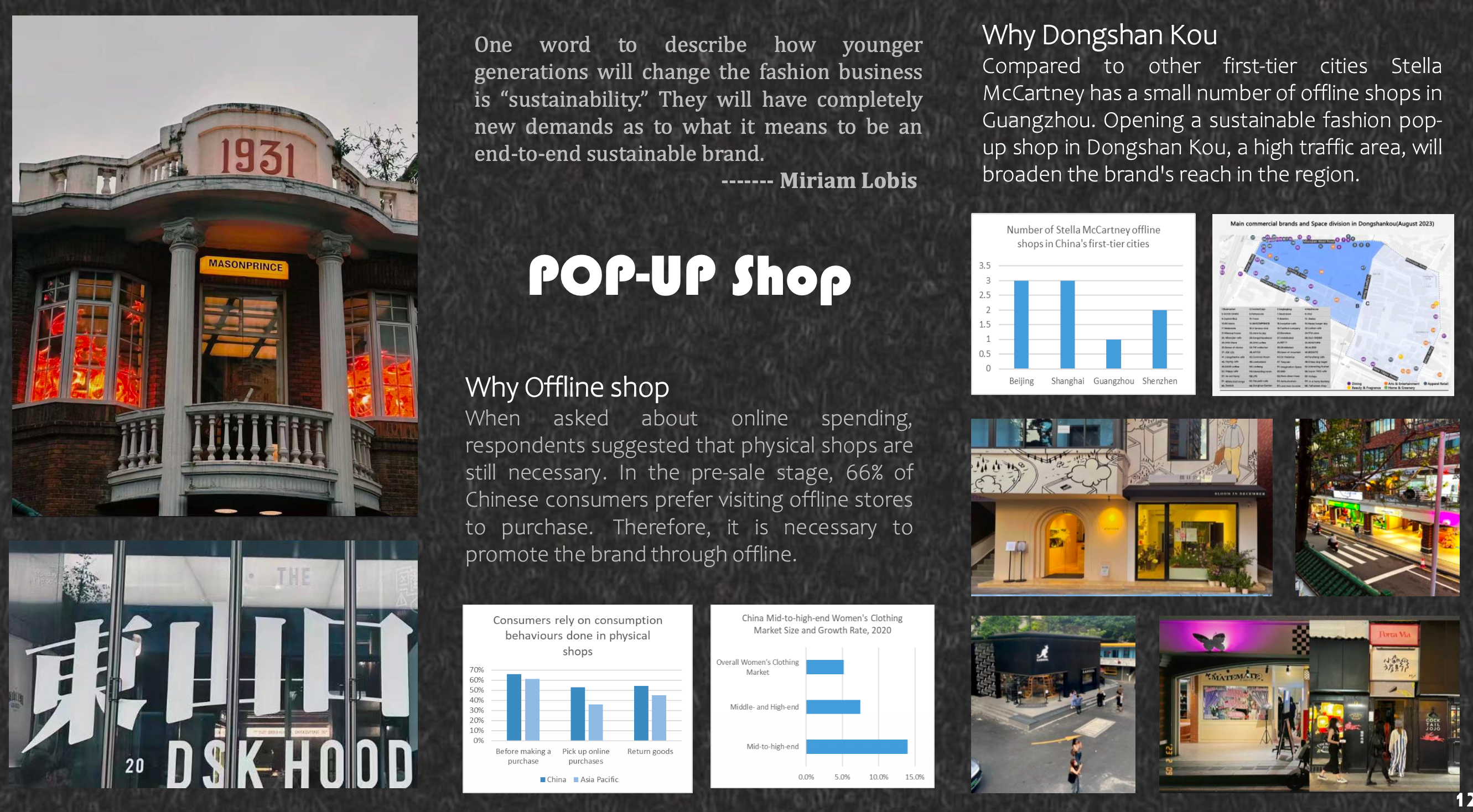
Chinese consumers prioritize hands-on product interaction before making luxury purchases—market data indicates that 66% of luxury consumers prefer physical store visits during the pre-purchase discovery phase. This physical proximity is vital because touching eco-materials like mycelium leather builds trust in the brand's premium value proposition.
When mapping Stella McCartney's current footprint, we discovered a clear regional gap: while the brand maintains 3 physical stores in Beijing and 3 in Shanghai, it has only 1 boutique in Guangzhou. Opening a temporary, sustainable pop-up in Guangzhou is the ideal strategic move to seize this high-potential tier-1 market on a low overhead.
Why Dongshan Kou? Dongshan Kou is a prominent cultural destination that attracts high volumes of fashion-forward youth. Mixing historical red-brick villas with modern, independent multi-brand outlets, it naturally attracts the exact target cohort: eco-conscious, digital-native Gen Z consumers looking for unique self-expression.
Urbancore & Digital Lavender
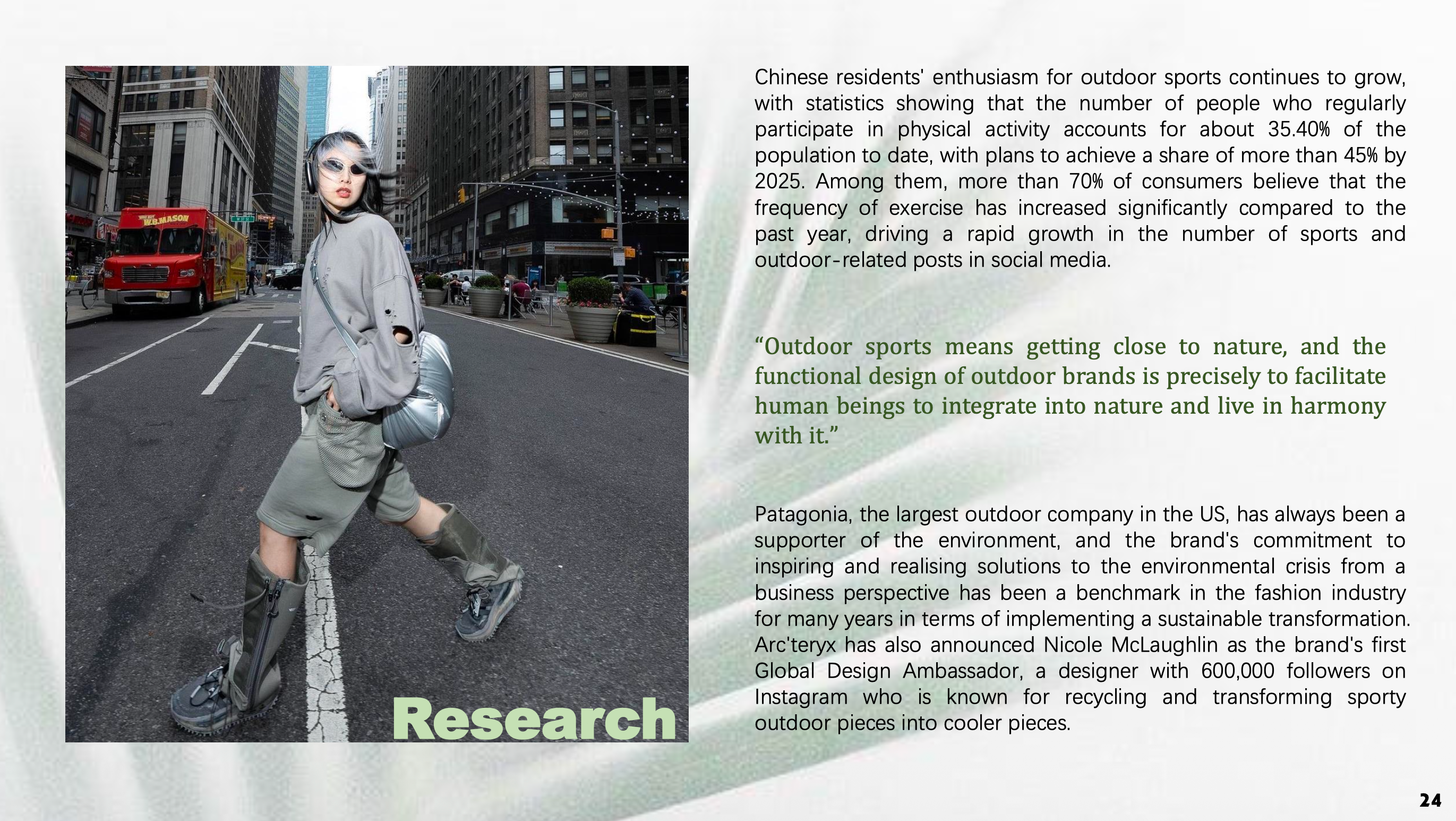
To capture Gen Z's interest, the experience leverages the surging Urbancore trend—where high-performance outdoor elements transition into everyday city streetwear. This aesthetic reflects a growing youth interest in nature, camping, and outdoor activities in the post-pandemic landscape, as benchmarked by the rise of brands like Patagonia and Arc'teryx.
Integrating Digital Lavender (the color of youth wellness, orchid, thistle) and Tranquil Green to balance natural organic elements with futuristic digital tech aesthetics.
Utilizing structural utility pockets, adjustable drawropes, glossy recycled nylon mesh, and classic organic raw denim to anchor the tactile workspace setup.
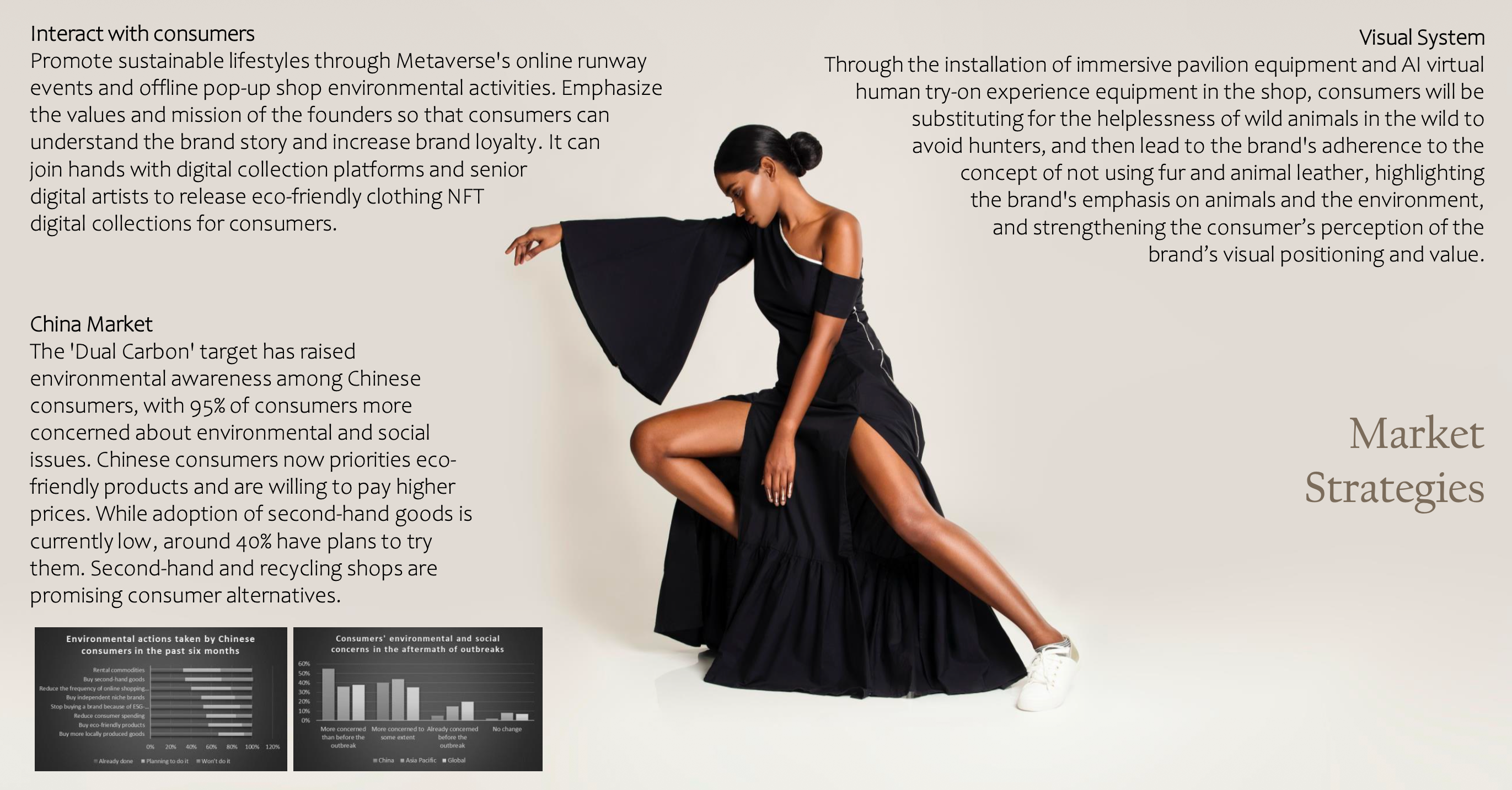
Aligning with China's "Double Carbon" target where over 95% of consumers have expressed a sharp intent to actively search for verifiable green products.
Trend Research Lookbook
Target Consumer Adoption
Analyzing Gen Z's willingness to absorb high-premium pricing structures. Focuses on translating China's "Double Carbon" policy priorities into positive green-premium consumption behaviors.
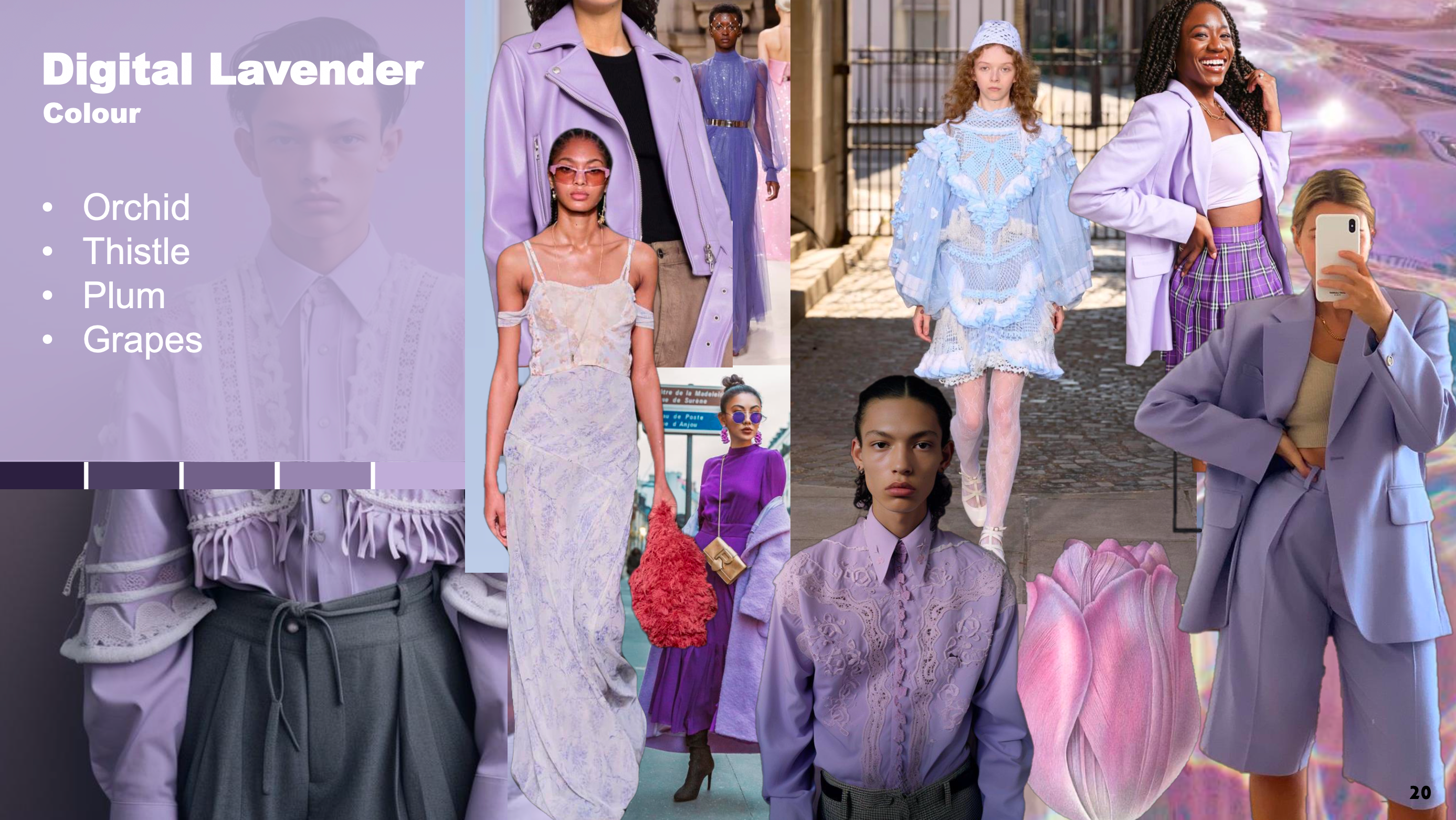
Digital Lavender
Selected as the primary color trend anchor representing emotional wellness, orchid, and digital youth culture. Creates a warm, organic, yet futuristic digital aesthetic.
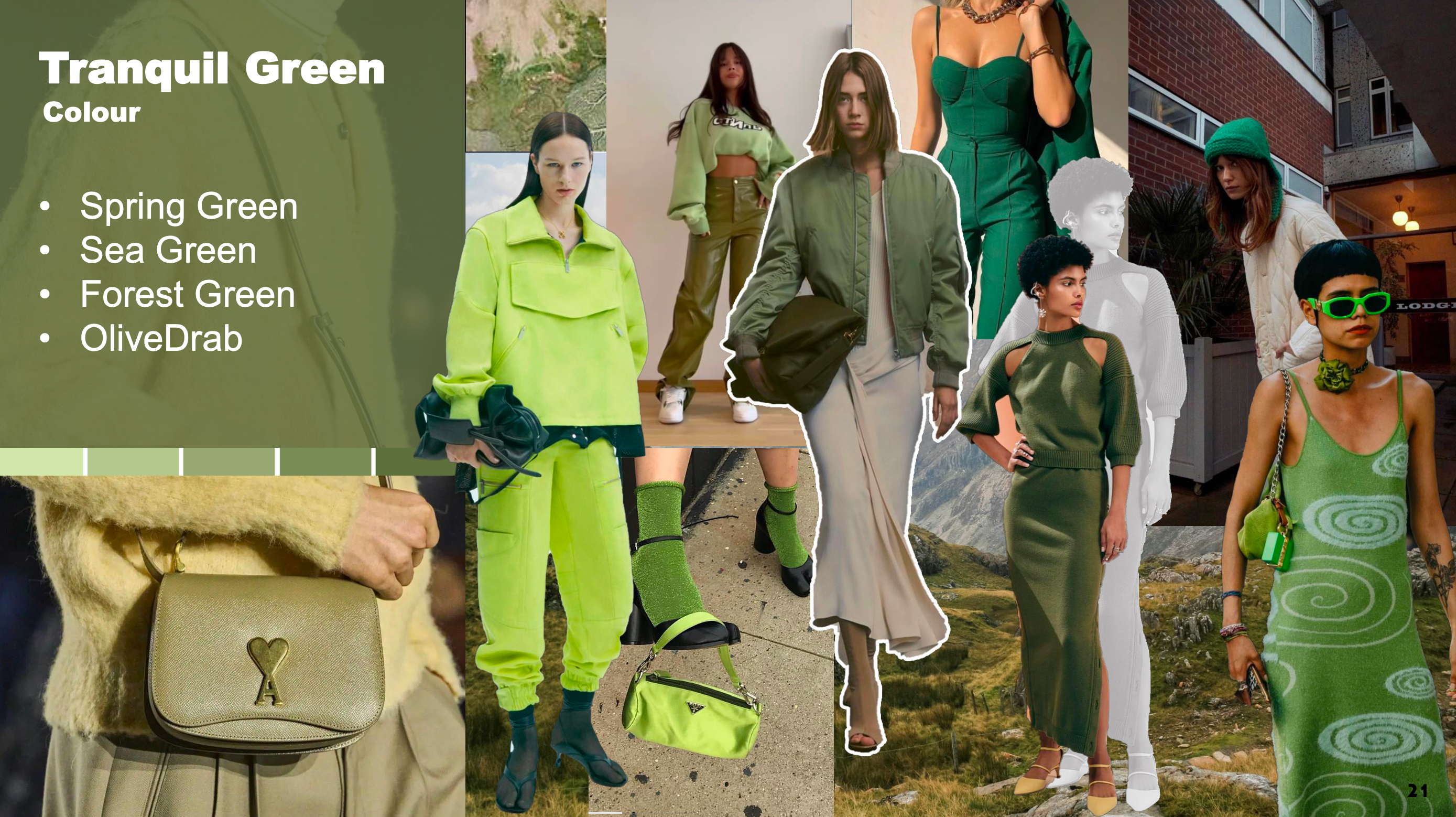
Tranquil Green Context
Emphasizes Stella's core ecological values. Represents biodiversity protection and coordinates with recycled bio-materials to convey circular integrity.
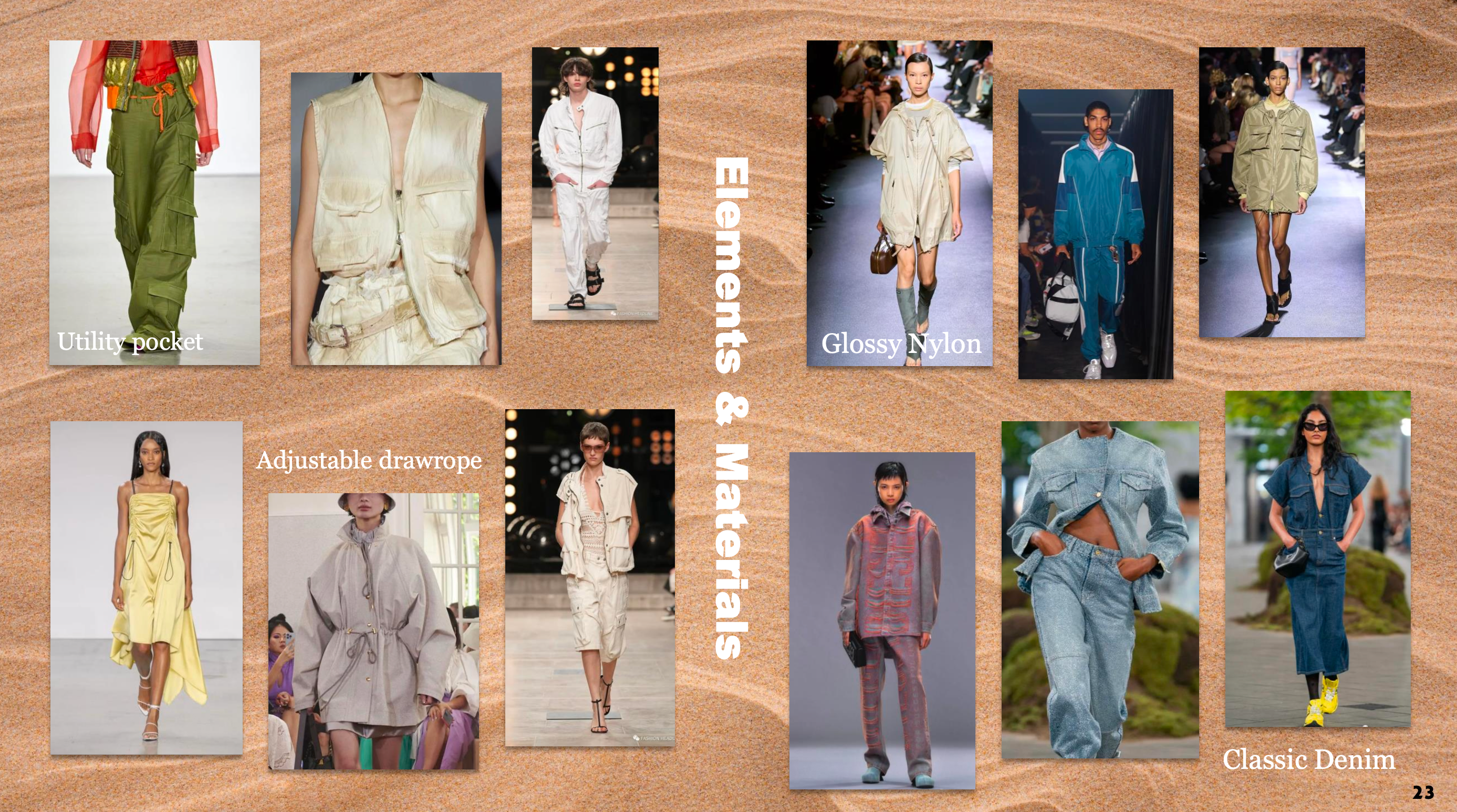
Sourcing Element Matrix
Detailed analysis of materials and structural trim, featuring utility pockets, drawropes, recycled nylon grids, and raw denim panels to ground the physical workshop.
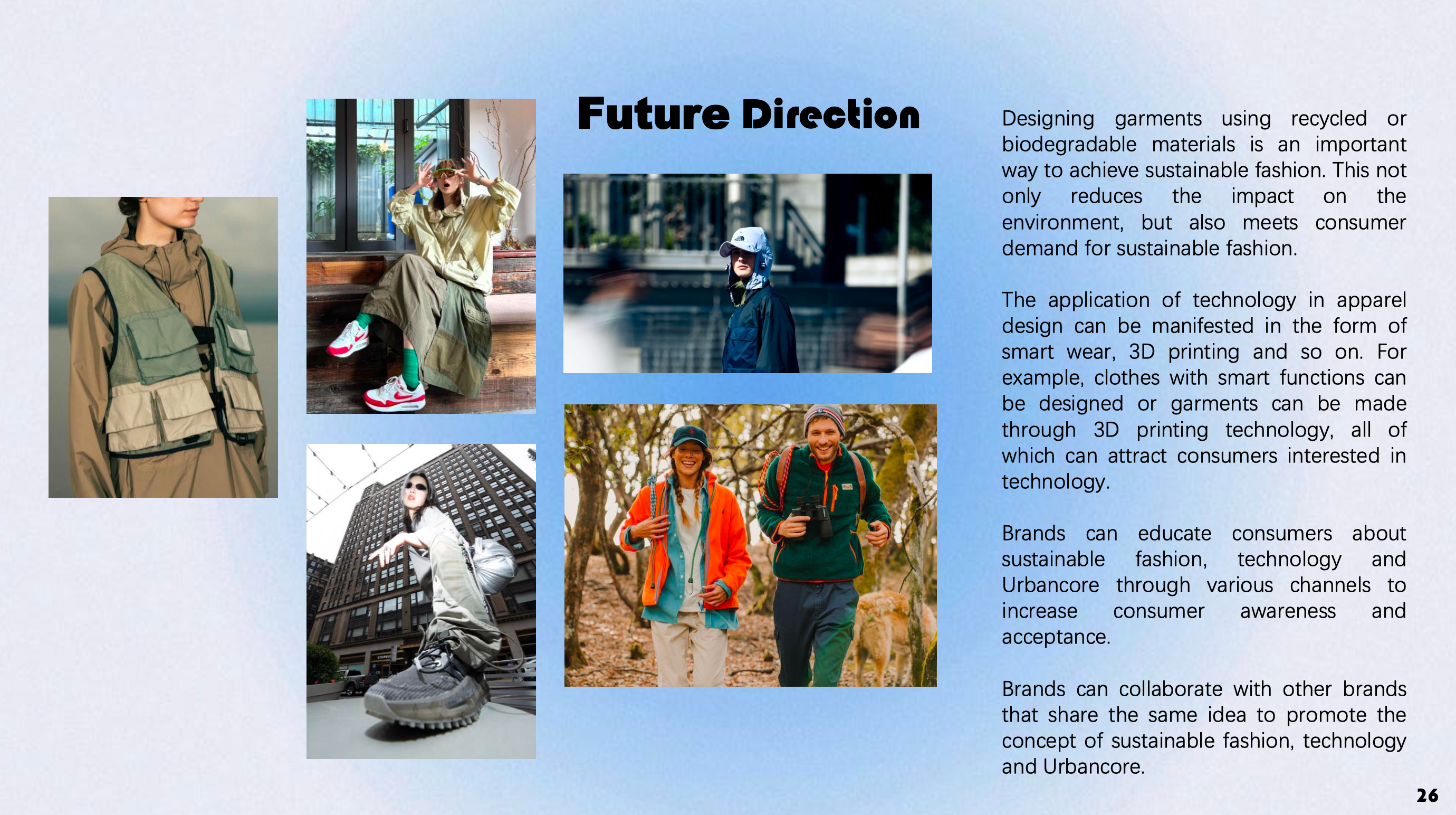
Future Directions
Mapping long-term innovation horizons: linking circular materials, smart-wear integration, consumer education campaigns, and sustainable cross-brand collaborations.
Store Setting & Floor Blueprint
The brick-and-mortar pop-up in Guangzhou is structured to facilitate a multi-sensory consumer journey. Divided into several core zones, it guides users from passive brand appreciation to active, co-creative involvement:
Simulating a dense wilderness landscape, this pavilion uses spatial audio to communicate the vulnerability of wildlife, directly reinforcing the brand's anti-cruelty stance. Visitors substitute themselves for wild animals in the wild to experience the visceral fear of avoiding hunters, raising ecological empathy.
Transparent LED mirrors automatically determine each visitor's physical style, height, and weight. Utilizing advanced computer vision, the kiosk matches the guest's profile to curate and display personalized lookbook recommendations from Stella's latest bio-fabricated collections.
A structured co-creative sandbox where consumers bring worn apparel, working with professional upcycling artists to reconstruct old garments into high-end, customized accessories (such as bags and headwear) using organic cotton and surplus denim scraps.

Stella Metaverse
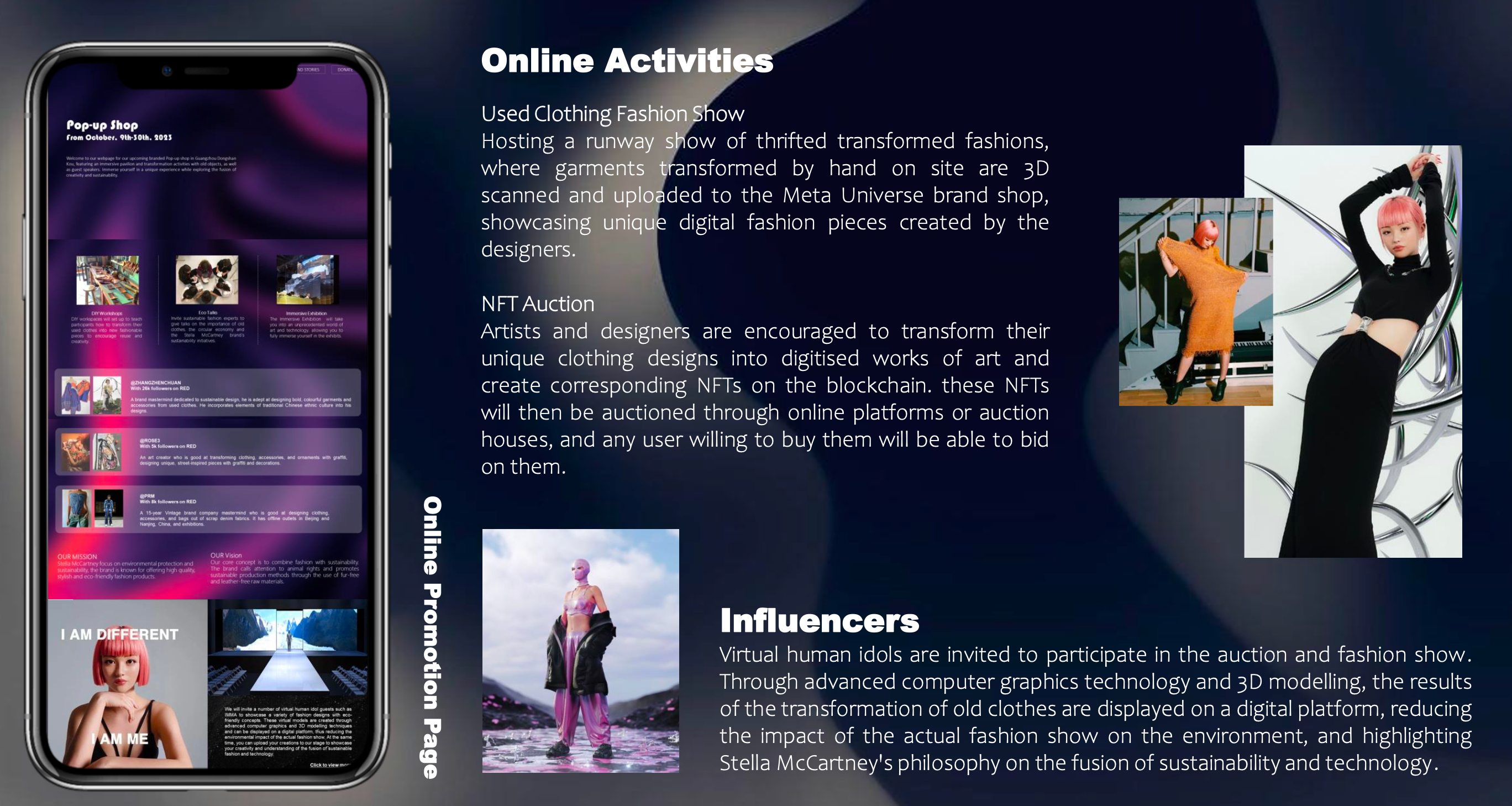
To bridge the offline experience with digital scale, we designed an online promotion page on the official website. This platform acts as a digital co-creation hub, integrating multiple innovative touchpoints:
- Used Clothing Fashion Show: Runways hosting transformed thrift fashions are 3D-scanned and uploaded into the virtual Metaverse brand store, displaying bespoke, physical-to-digital wearables on the web.
- NFT Auction Platforms: The most creative designs created in-store are minted as certified digital art NFTs on traceable, secure blockchain networks and auctioned to raise capital for local ecological restoration.
- Virtual Human Influencers: Metahumans (such as virtual idol ASMA) are invited to model the collections, showing 3D digital apparel through computer graphics. This dramatically reduces the environmental footprint of physical collections while highlighting Stella's commitment to technology and sustainability.
Stella Eco-Materials Walkthrough (Simulated)
Select a sustainable materials module to display its carbon footprint and environmental benefits:
Veuve Clicquot Grape Leather
-80% Carbon FootprintEngineered using the byproducts of harvest pressing processes, completely eliminating animal leather and petroleum synthetics from production.
Campaign & Influencer Alignment
High-Impact Offline & Online Integration
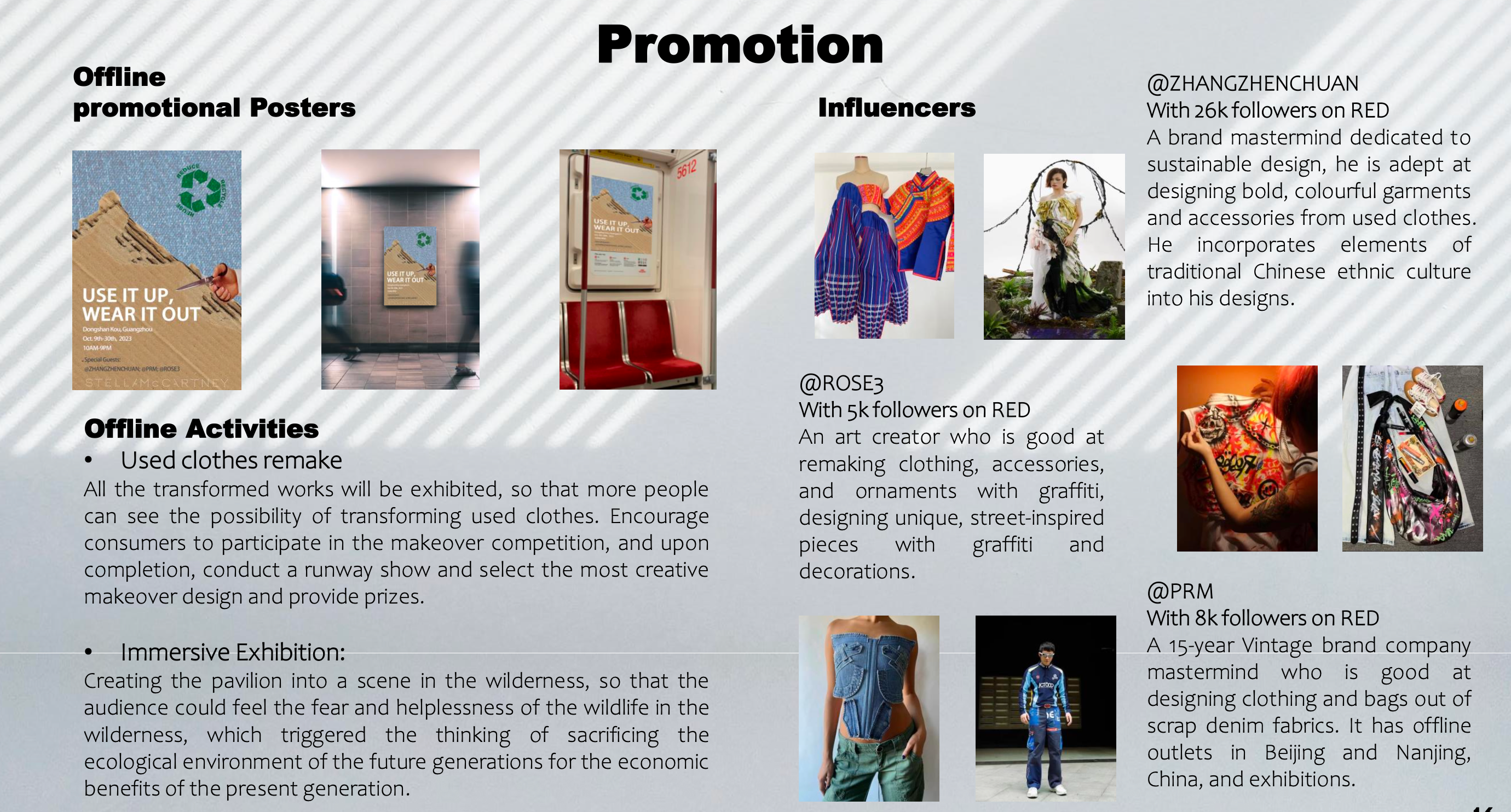
Operating a local pop-up requires a strong promotional push. We structured a cohesive hybrid campaign running from October 9th to 30th, anchored by high-visibility offline posters ("USE IT UP, WEAR IT OUT") positioned across transit hubs in Guangzhou.
Online, we bypassed standard celebrity endorsements to collaborate directly with prominent RED (XiaoHongShu) niche creators specializing in sustainable design:
- @ZHANGZHENCHUAN (26k followers): Adept at merging bold, colorful reconstructed garments with traditional Chinese ethnic patterns.
- @ROSE3 (5k followers): Specialized in street-inspired graffiti detailing and upcycled clothing modifications.
- @PRM (8k followers): Specialized in restructuring vintage and raw denim scraps into premium handbags.
Strategic Retrospective
Business Strategy Insights
High-end sustainability cannot rely solely on altruistic messaging. To capture premium value, a luxury brand must justify the "Green Premium" price through rich, immersive experiences. When a luxury brand places its sustainability narrative within interactive structures, it lowers psychological barriers and justifies its premium pricing.
Capabilities Enhanced
- Quantitative Brand Sourcing: Deepened capacity to benchmark price elasticities against ecological and premium consumer willingness profiles.
- Experiential Real Estate Modeling: Justifying physical touchpoint sitings (such as Guangzhou Dongshan Kou) by evaluating regional competitor gaps, regional foot traffic vectors, and local consumer behavior trends.
- Cross-Channel Co-creative Assets: Structuring direct pipelines that align offline remake workshops with blockchain digital NFT auctions.
Areas for Optimization
To further refine this strategy, I would integrate real-time carbon recalculation widgets directly inside the Web3 checkouts. This would provide immediate, transparent feedback on material savings, helping to further reduce user drop-offs during digital transactions.