Standing under the spotlight at a high-profile tech and AI event in London, looking at the packed venue, lively networking sessions, and satisfaction ratings (NPS) surging past 90%, I once fell into a trap familiar to many operators: mistaking vanity metrics for genuine success.
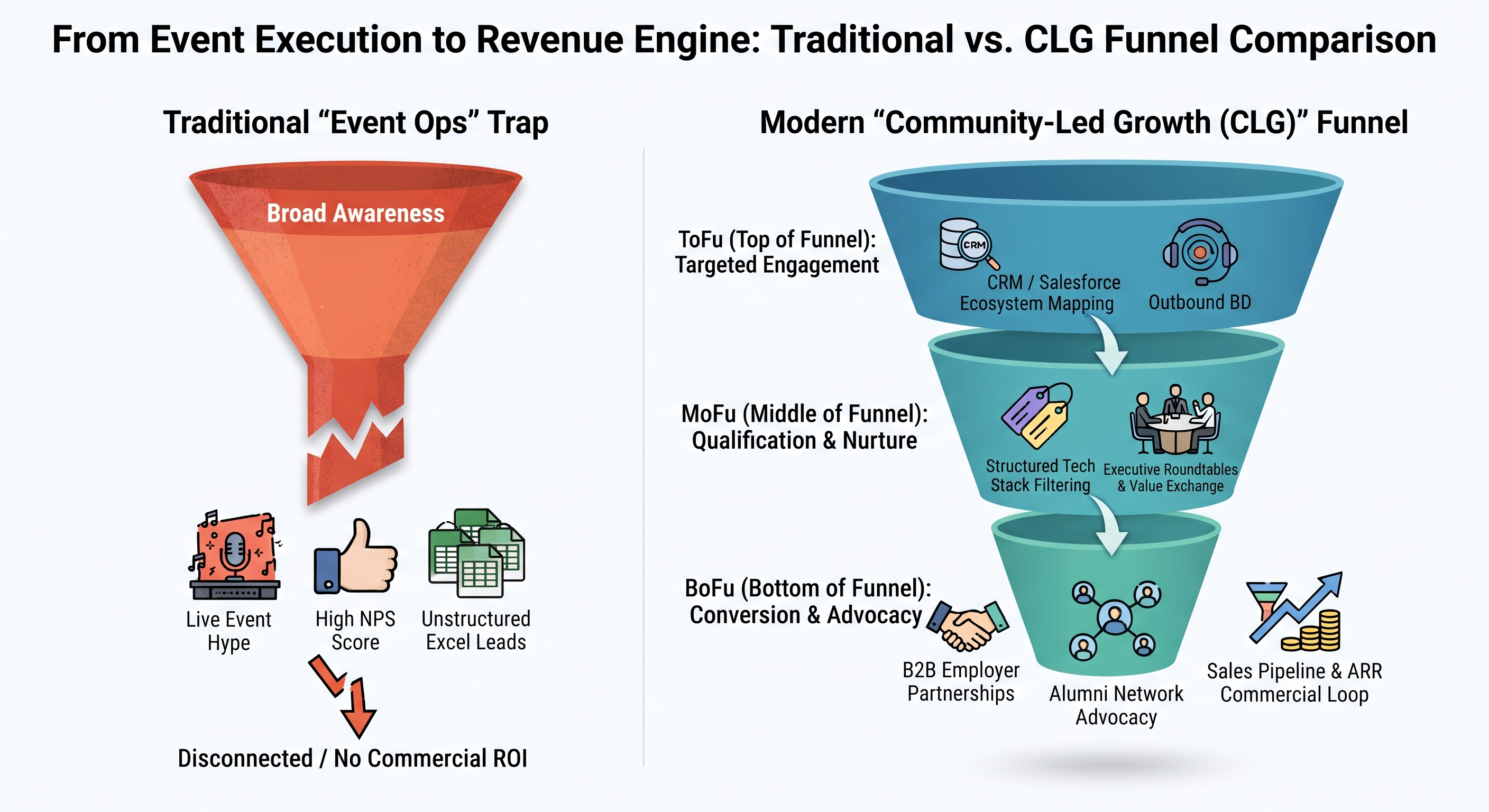
Yet, when the lights went out and the post-event review began, the cold reality of our financial and business dashboards told a brutal story—aside from a few energetic event photos and a messy spreadsheet of superficial contacts, the event’s net contribution to our core commercial funnels (Sales Pipeline, ARR, and conversion rates) was practically zero.
"Why do so many entertainment-driven or purely execution-heavy event operations ultimately degrade into budget-burning cost centers?"
In a London tech market where Customer Acquisition Costs (CAC) remain persistently high, communities and events can no longer afford to function as passive administrative support. If we fail to convert transient foot traffic into reusable commercial assets, all the applause on stage is merely self-soothing noise. Community operations must be stripped of surface-level fluff and engineered into active lead-generation and B2B asset-accumulation growth engines.
Reconstructing Operations Through B2B Outbound Logic
From Administrative Quagmires to B2B Funnels
Many professionals treat "Community" or "Events" roles as a hybrid of customer service and administrative coordination. Negotiating venues and printing badges severs operations from commercial results. To shatter this bottleneck, operators must embrace an Outbound BD mindset:
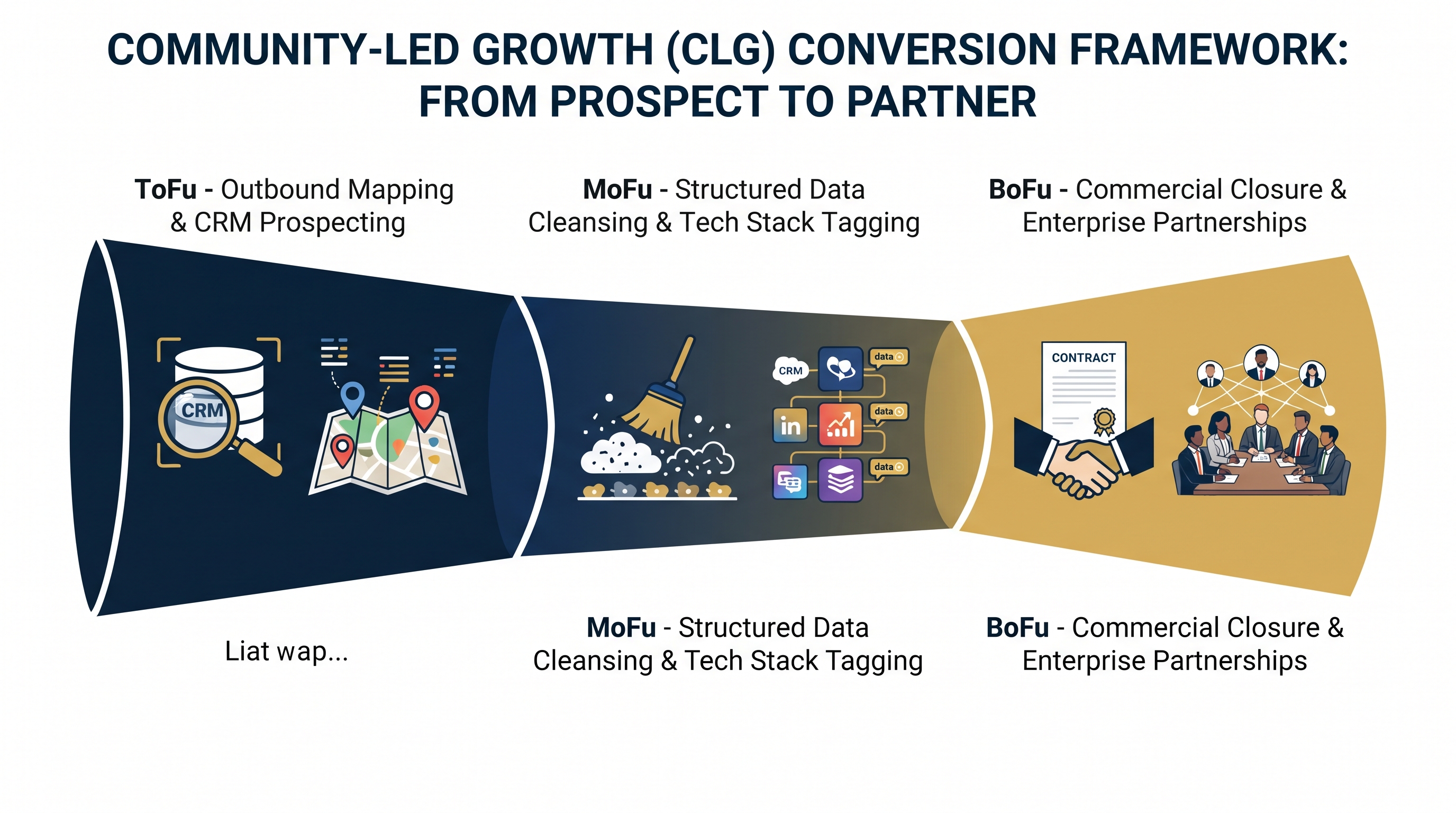
- • ToFu: Active outbound mapping via CRM and automated sequencing instead of passive registrations.
- • MoFu: Multi-dimensional, structured data tagging based on tech stack and intent.
- • BoFu: Closing commercial loops via alumni networks and enterprise partners.
Core Monitoring KPIs
Cultivating "Tech Ecosystem Fluency"
No Room for Amateurs in Hard-Tech
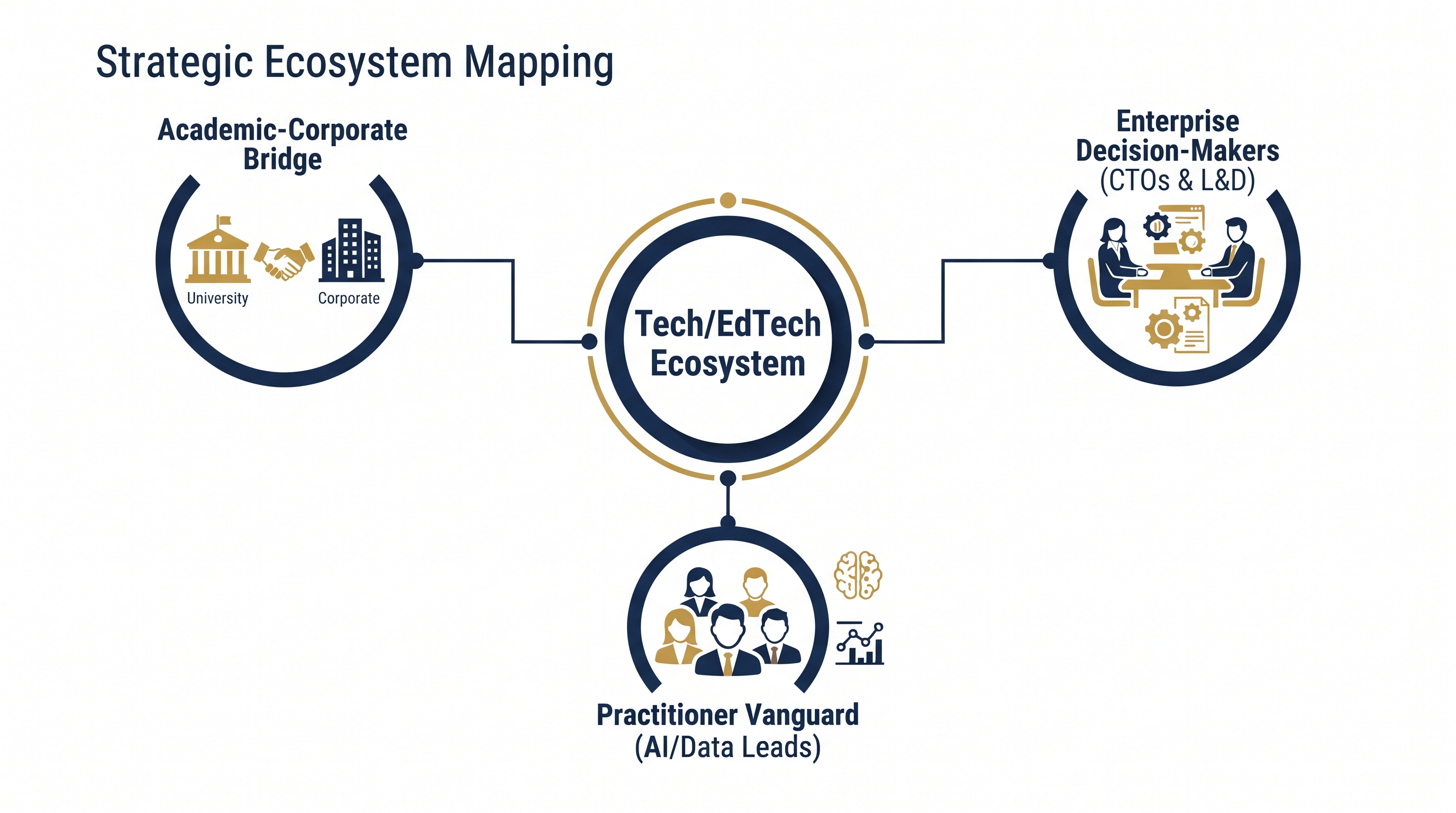
Hard-tech sectors like AI, Data, and Product possess high professional barriers. If you stumble over basic technical concepts like RAG or fine-tuning, surface-level small talk will never build trust with senior engineering leaders.
Rapid Ecosystem Fluency
Systematically map local micro-clusters (Shoreditch to Canary Wharf), anchor conversations in technical ecosystem co-creation rather than standard sponsorship pitches, and break the ice using precise industry vocabulary.
Redefining Career Positioning and KPIs
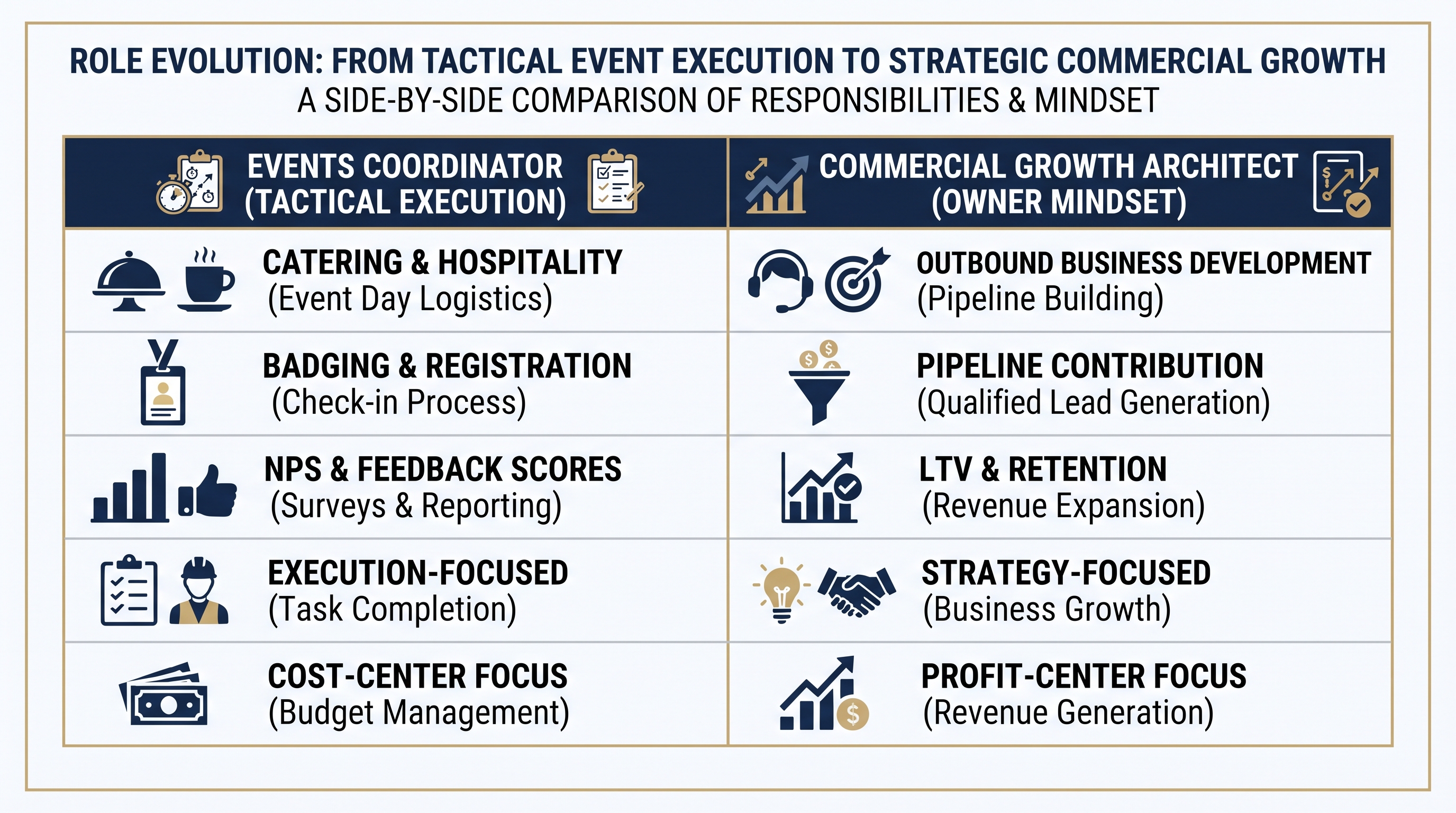
Hiring managers often worry whether candidates can distinguish between an Events Coordinator and a Partnership Specialist. Overcoming this requires reframing mindset and metrics:
From Executor to Owner
Radically upgrade your self-perception from an administrative project executor to a true business owner. Treat events as acquisition products, attendees as sales leads, and community upkeep as customer success management.
Hard Commercial KPIs
Completely discard traditional vanity metrics like headcount and NPS. Align evaluations directly with Pipeline Contribution Value, Enterprise Employer Connections, and High-Engagement Community Retention Rate.
Conclusion
Amid the tidal wave of technological education and digital transformation, the boundaries between community management and business development are rapidly dissolving. When we elevate "event-planning thinking" from logistics into system-level funnel growth thinking, any past structural limitations or functional gaps simply transform into the ultimate badges of high-level commercial acumen.